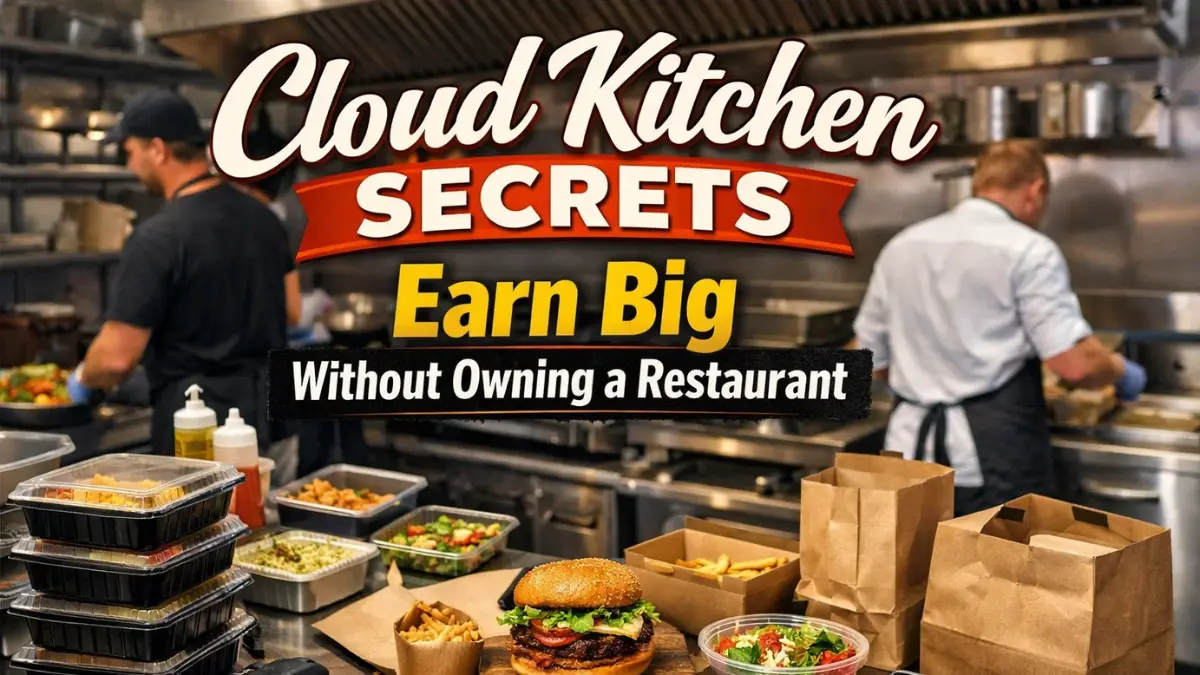
The food industry is evolving faster than ever, and traditional restaurants are no longer the only way to make a mark. Cloud kitchens, also known as virtual kitchens, ghost kitchens, or delivery-only kitchens, are redefining the way food businesses operate. They allow aspiring chefs and entrepreneurs to earn big without investing in a physical restaurant space.
In 2026, starting a cloud kitchen has become one of the most profitable business ideas. With low overhead costs, flexible working hours, and the increasing demand for online food delivery, cloud kitchens offer a golden opportunity to turn culinary skills into a thriving business.
What is a Cloud Kitchen?
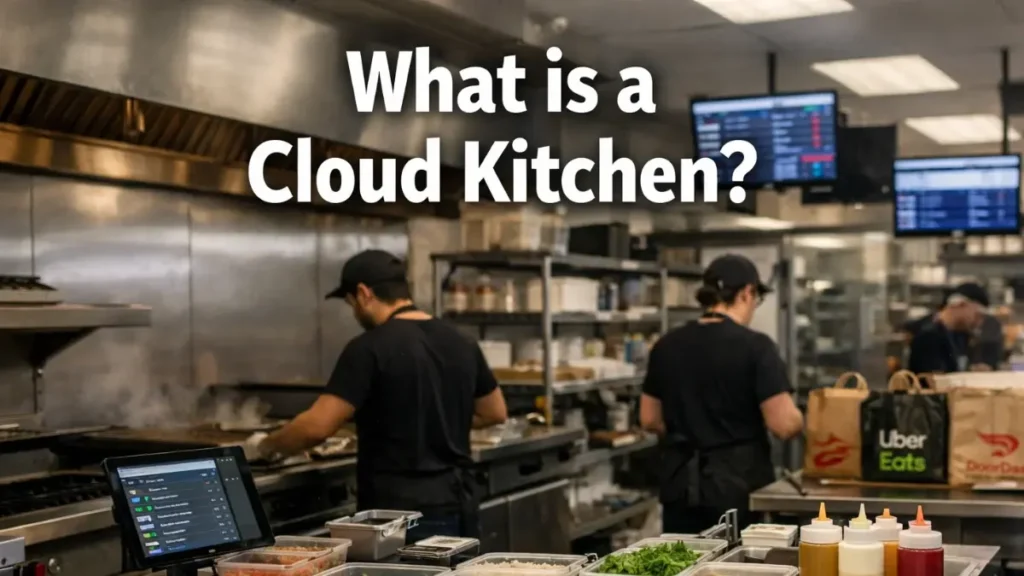
A cloud kitchen is a commercial kitchen space designed exclusively for preparing food for delivery. Unlike traditional restaurants, cloud kitchens do not require a dine-in area, decor, or waitstaff. The focus is purely on cooking and delivering high-quality meals directly to customers.
This model has gained massive popularity due to the growth of food delivery platforms like Swiggy, Zomato, Uber Eats, and DoorDash. By removing the need for a physical restaurant, entrepreneurs can focus on menu innovation, marketing, and operational efficiency.
Why Cloud Kitchens Are a Game-Changer
Lower Startup Costs
One of the biggest advantages of a cloud kitchen is the low initial investment. Traditional restaurants require rent, interior design, dining furniture, and staff, which can be prohibitively expensive. With a cloud kitchen, you only need a functional kitchen space, cooking equipment, and packaging materials.
High Profit Potential
Cloud kitchens allow owners to maximize profits by catering exclusively to delivery orders. By eliminating dine-in overheads, more of the revenue goes directly to the business. Smart menu planning, online marketing, and efficient operations can lead to impressive earnings even for small kitchens.
Flexibility and Scalability
With a cloud kitchen, you can operate multiple brands from a single kitchen. For example, one kitchen could serve pizzas under one brand, healthy meals under another, and desserts under a third. This flexibility allows you to experiment with different cuisines, test the market, and scale quickly without heavy investment.
Cloud Kitchen Business Models
1. Independent Cloud Kitchen
An independent cloud kitchen is owned and operated by a single entrepreneur. The focus is on creating unique menus, building a brand, and managing delivery operations. This model gives complete control but requires hands-on involvement in daily operations.
2. Shared Kitchen Model
Shared cloud kitchens provide fully-equipped kitchen spaces for multiple food businesses. Entrepreneurs pay a monthly rental fee and use the facilities on a schedule. This model is ideal for beginners as it reduces initial investment and operational burden.
3. Franchise Cloud Kitchens
Franchise models allow you to leverage an established brand and customer base. You pay royalties or setup fees to operate under a well-known name, while the brand provides recipes, marketing support, and operational guidance.
Steps to Start
Step 1: Choose Your Niche
Select a cuisine or product that you are passionate about and has high demand. Popular niches include:
- Fast food and burgers
- Healthy meal prep
- Regional or ethnic cuisine
- Desserts and baked goods
- Beverages and specialty drinks
Step 2: Find the Right Kitchen Space
Whether renting a commercial kitchen, using a shared space, or converting a home kitchen (if local laws allow), the space should be clean, well-equipped, and compliant with food safety regulations.
Step 3: Plan Your Menu
Keep your menu simple, scalable, and delivery-friendly. Avoid dishes that lose quality during transportation. Packaging plays a key role in maintaining freshness and presentation.
Step 4: Partner with Delivery Platforms
Tie up with popular food delivery platforms to reach a wide audience. Alternatively, create your own online ordering system and promote it through social media marketing.
Step 5: Marketing and Branding
A strong brand, eye-catching logos, and social media presence are crucial. Use food photography, influencer collaborations, and promotions to attract customers. Highlight your unique selling points, such as “homemade taste” or “healthy ingredients.”
Tips for Running a Successful Cloud Kitchen
- Focus on quality and consistency in every order.
- Keep operations lean and minimize waste.
- Offer combo meals or subscription plans to increase sales.
- Gather feedback and continuously improve recipes.
- Use analytics to track sales trends and optimize menu items.
Advantages
- Lower Operational Costs: No dine-in, decor, or large staff needed.
- Scalable Model: Run multiple food brands from a single kitchen.
- Flexible Hours: Operate at your convenience.
- High Demand: Online food delivery continues to grow rapidly.
- Creative Freedom: Experiment with new dishes and cuisines easily.
Challenges to Consider
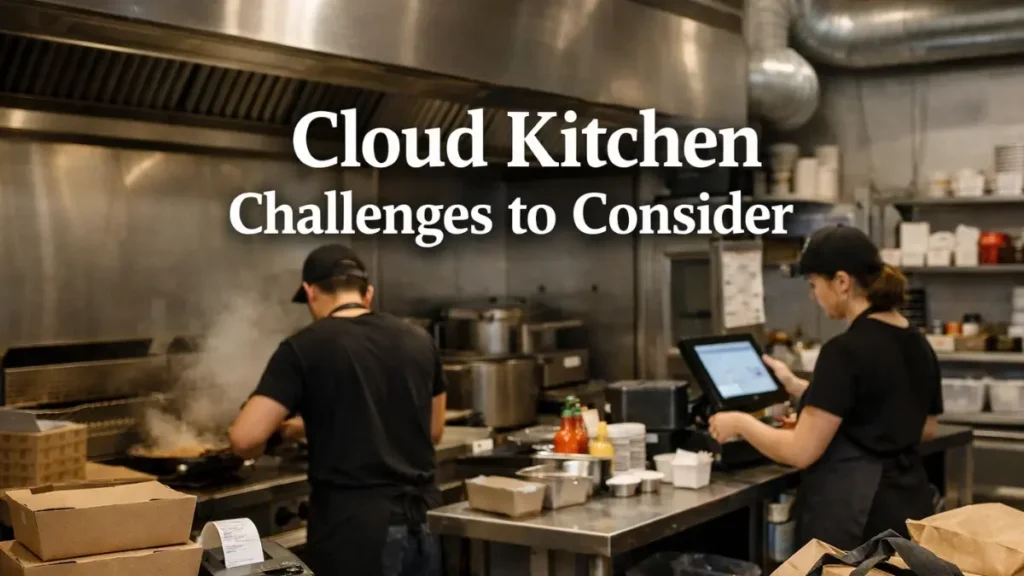
While cloud kitchens are lucrative, there are challenges:
- Dependence on delivery platforms and commissions.
- High competition in popular cuisines.
- Maintaining food quality during delivery.
- Building brand recognition without a physical location.
However, with smart planning, marketing, and quality control, these challenges can be overcome.
Real-Life Success Stories
Many entrepreneurs have turned small cloud into profitable businesses. For example, a home chef selling homemade meals through a cloud kitchen platform increased monthly income by five times within a year. Others have expanded into multiple kitchens, offering diverse cuisines to thousands of customers online.
These stories prove that with dedication, a strong brand, and smart marketing, anyone can achieve success in a cloud kitchens business.
Also Read : Fashion Designers Without Boutiques Redefining the Fashion Industry
Conclusion
The cloud kitchen model is revolutionizing the food industry. It allows aspiring chefs and entrepreneurs to earn big without owning a traditional restaurant. With low startup costs, scalability, and a focus on delivery, a cloud kitchen offers immense profit potential in 2026 and beyond.
By choosing the right niche, maintaining food quality, and leveraging digital marketing, your cloud kitchen can become a thriving business. The key is to combine creativity, efficiency, and customer satisfaction—turning ordinary kitchen spaces into a powerful source of incom

I am a professional content publisher focused on work from home opportunities, remote jobs, online income ideas, productivity tips, and digital work trends. I create practical, reliable, and up-to-date content for modern remote workers.