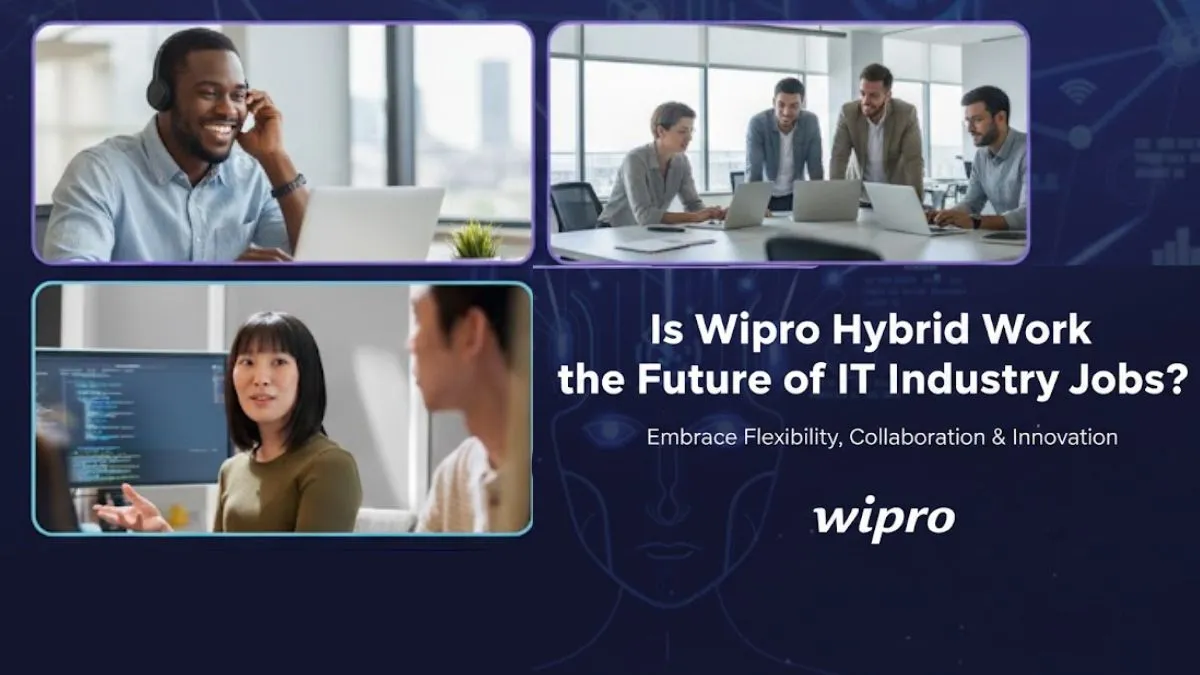
The IT industry is changing faster than ever, and one of the biggest shifts shaping its future is the hybrid work model. Among global IT leaders, Wipro has emerged as a key example of how hybrid work can redefine productivity, employee satisfaction, and business growth. But the big question remains: Is Wipro Hybrid Work the future of IT industry jobs?
This article explores Wipro’s hybrid work approach, its impact on employees and the IT sector, and why many experts believe it represents the future of work.
Understanding Wipro Hybrid Work Model
Wipro’s hybrid work model allows employees to split their working time between office and remote locations. Instead of forcing a full return to office or permanent work from home, Wipro focuses on flexibility, collaboration, and performance-based outcomes.
Key features include:
- Flexible work locations
- Outcome-driven performance measurement
- Digital collaboration tools
- Employee well-being focus
This model supports both business needs and personal work-life balance, making it attractive to modern professionals.
Why Hybrid Work Matters in the IT Industry
The IT industry has always been technology-driven, making it ideal for flexible work structures. Hybrid work is no longer a trend—it is becoming a necessity.
Major reasons hybrid work is gaining popularity:
- Global talent hiring without relocation
- Reduced operational and infrastructure costs
- Higher employee satisfaction and retention
- Improved productivity and focus
Wipro recognized these advantages early and aligned its workforce strategy accordingly.
How Wipro Hybrid Work Benefits Employees
Wipro’s hybrid approach provides several direct benefits to its workforce:
1. Better Work-Life Balance
Employees can manage personal and professional responsibilities more effectively, reducing burnout and stress.
2. Increased Productivity
With fewer distractions and flexible schedules, employees often deliver better results.
3. Career Opportunities Without Location Barriers
Professionals can work on global projects without moving cities or countries.
4. Improved Mental Health and Job Satisfaction
Flexible work options help employees feel trusted and valued.
These benefits make Wipro an attractive employer, especially for millennials and Gen Z professionals.
Business Advantages of Wipro Hybrid Work
Hybrid work is not only good for employees—it also benefits the organization.
Key business advantages:
- Higher employee retention rates
- Access to a wider global talent pool
- Faster digital transformation
- Stronger employer branding
By focusing on outcomes rather than attendance, Wipro encourages innovation and accountability.
Is Wipro Hybrid Work a Model for the Future?
Many IT companies are now following Wipro’s path. Hybrid work is becoming a standard operating model rather than an exception.
Why it looks like the future:
- Employees prefer flexibility over rigid schedules
- Technology supports seamless remote collaboration
- Companies see long-term cost savings
- Governments and cities are adapting to remote work ecosystems
Wipro’s structured and scalable hybrid model makes it a blueprint for other IT organizations.
Challenges in Hybrid Work—and How Wipro Handles Them
No model is perfect. Hybrid work also brings challenges such as:
- Communication gaps
- Data security concerns
- Maintaining company culture
Wipro addresses these challenges through:
- Advanced cybersecurity frameworks
- Regular team engagement programs
- Clear communication policies
- Strong digital infrastructure
This balanced approach ensures smooth operations and long-term sustainability.
Impact on Freshers and IT Job Seekers
For freshers and job seekers, Wipro’s hybrid model opens new doors:
- Remote onboarding and training
- Access to global mentors and projects
- Reduced relocation costs
This makes IT careers more inclusive and accessible than ever before.
Also Read: Remote Jobs That Pay Weekly: Earn From Home Without Waiting for Months
Final Thoughts
So, is Wipro Hybrid Work the future of IT industry jobs?
The answer is yes—very likely.
Wipro’s hybrid work strategy aligns perfectly with modern workforce expectations, technological advancements, and business goals. As flexibility becomes a top priority for professionals worldwide, hybrid work models like Wipro’s are set to shape the future of the IT industry.
For companies, employees, and job seekers alike, hybrid work is no longer optional—it is the way forward.
FAQs: Wipro Hybrid Work Model
1. What is Wipro Hybrid Work?
Wipro Hybrid Work allows employees to work partly from the office and partly from home, depending on role and project needs.
2. Is Wipro hybrid work permanent?
Wipro has adopted hybrid work as a long-term strategy, not a temporary arrangement.
3. Can freshers work in hybrid mode at Wipro?
Yes, many freshers and entry-level employees are eligible for hybrid or flexible work arrangements.
4. How does Wipro ensure productivity in hybrid work?
Wipro focuses on performance outcomes, digital tools, and clear goals rather than fixed office hours.
5. Will hybrid work replace traditional office jobs in IT?
Hybrid work is expected to become the dominant model, replacing fully office-based roles in many IT functions.