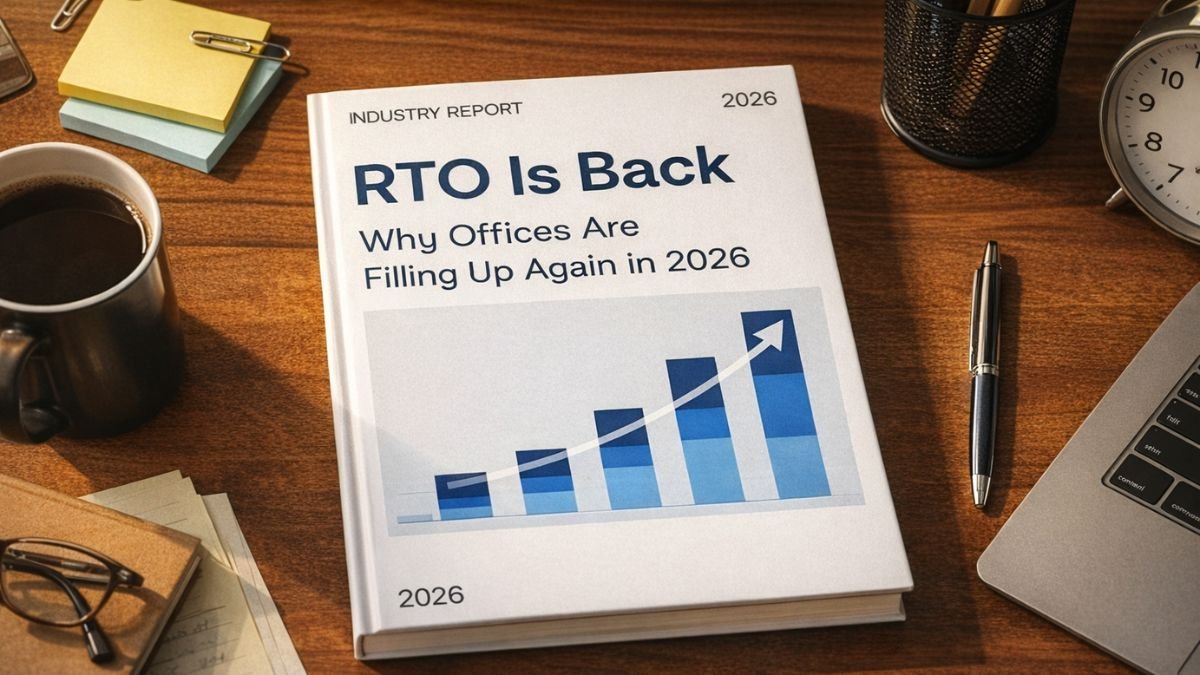
In early 2026, one workplace trend is clear: return-to-office (RTO) is no longer optional in many companies. After years of flexible schedules and remote freedom, firms across industries are tightening policies and asking employees to come back—some for three days a week, others full-time.
For many workers, this feels like the end of an era. For employers, it’s about culture, productivity, and control. So what’s really happening? Why is RTO dominating headlines? And what does it mean for employees, businesses, and the future of work?
Let’s break it down.
Why the Return-to-Office Trend Is Gaining Strength
1. Leadership Wants More Control and Visibility
Since the pandemic, remote work proved possible. But in 2026, many executives argue that in-person collaboration drives better results. Leaders at major corporations—including companies like Amazon and JPMorgan Chase—have publicly emphasized the value of being physically present in the workplace.
Managers say in-office work allows:
- Faster decision-making
- Spontaneous collaboration
- Stronger team bonding
- Better mentorship for junior staff
Whether employees agree is another story.
2. Office Real Estate Pressure
Many large firms signed long-term leases before 2020. Empty office buildings cost millions. Bringing workers back justifies those expenses and supports commercial real estate markets in major cities like New York City and London.
City governments also benefit when workers return—restaurants, transit systems, and local businesses depend on office traffic.
3. Productivity Debates Haven’t Gone Away
Studies on remote productivity are mixed. Some show increased output; others highlight communication gaps and burnout. In 2026, many firms are choosing certainty over flexibility, believing in-person work reduces distractions and improves accountability.
Still, employees argue that commuting time, stress, and rigid schedules may actually reduce performance.
What RTO Dominance Means for Employees
Less Flexibility
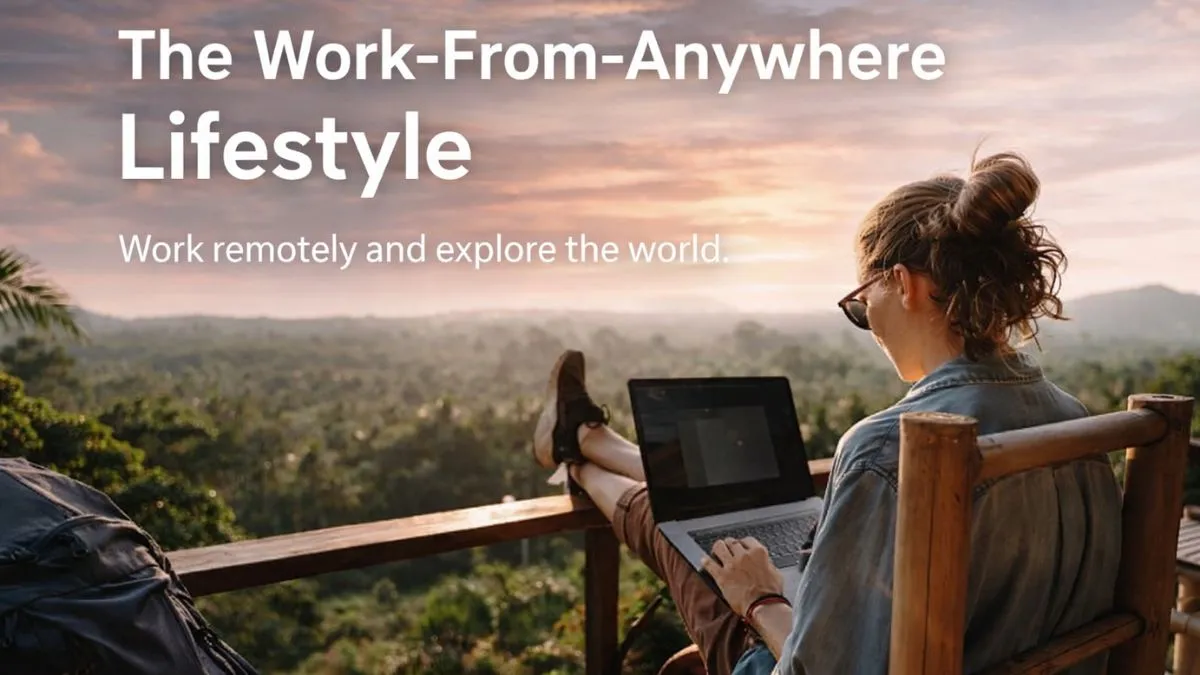
Many companies have ended “work from anywhere” policies. Hybrid schedules are being reduced, and some firms now require 4–5 days per week in the office.
This shift affects:
- Working parents
- Caregivers
- Employees in smaller cities
- Digital nomads
For some, it means relocating or job hunting.
The Commute Is Back
One of the biggest lifestyle changes? Commuting again.
An average daily commute can add 1–3 unpaid hours to the workday. Over a year, that’s hundreds of hours lost to travel. For employees who moved away from urban centers during remote work years, this can be financially and mentally draining.
Career Impacts
In-office visibility can help with promotions and networking. Some workers worry that staying remote (where allowed) may limit advancement opportunities.
In 2026, proximity often equals opportunity.
Why Some Workers Are Resisting
Despite RTO dominance, not everyone is happy.
1. Work-Life Balance Improved During Remote Years
Remote work allowed:
- More time with family
- Flexible routines
- Reduced commuting costs
- Better health habits
Many employees say they proved productivity doesn’t require constant office presence.
2. Talent Mobility Has Changed
Employees now know they have options. Remote-first companies still exist, especially in tech, consulting, and global services. Some workers are leaving strict RTO firms for more flexible employers.
3. Inequality Concerns
Not all workers experience RTO the same way. Senior executives often have larger offices, shorter commutes, or flexible arrangements. Junior employees may face stricter policies and longer travel times.
This uneven experience has made RTO a fairness issue, not just a productivity debate.
Which Industries Are Leading the RTO Push?
- Banking & Finance – Often requiring 4–5 days in office
- Law Firms – Emphasizing mentorship and client presence
- Large Tech Firms – Mixed approaches, but many tightening hybrid policies
- Consulting – Returning to travel-heavy, client-site models
Creative industries and startups tend to remain more flexible.
Is Remote Work Really Over?
No—but it’s evolving.
Instead of fully remote models, 2026 is seeing:
- Structured hybrid schedules
- Fixed in-office days
- Performance-based flexibility
- Location-based pay adjustments
The era of unlimited remote freedom may be shrinking, but flexibility hasn’t disappeared entirely.
What Employees Can Do Now
If you’re affected by stricter RTO rules, consider these steps:
1. Review Your Contract
Check if remote work was formally agreed upon or just a temporary policy.
2. Start an Honest Conversation
Discuss expectations with your manager. Sometimes compromises—like staggered hours—are possible.
3. Evaluate Total Compensation
Factor commuting costs, relocation expenses, and work-life balance into your career decisions.
4. Upgrade Skills
Remote-friendly roles often prioritize digital collaboration skills, async communication, and tech fluency.
The Bigger Picture: A Workplace Reset
The return-to-office trend isn’t just about desks and buildings. It’s about:
- Power dynamics between employers and employees
- Economic recovery in major cities
- Corporate culture rebuilding
- Re-defining productivity
In 2020, remote work felt like the future. In 2026, the workplace is recalibrating.
The real question isn’t whether RTO will dominate—but what balance will last long-term.
Also Read :Working From Home: The Real Issue Isn’t Productivity
Final Thoughts
RTO dominance in early 2026 signals a major shift in workplace expectations. Companies are prioritizing structure and physical presence again—but employees are not silently accepting every change.
The future of work isn’t purely remote or fully office-based. It’s somewhere in between—and still evolving.
If you want to stay ahead of workplace trends, career insights, and remote work updates, explore more expert guides on our website.
FAQs About Return-to-Office (RTO) in 2026
1. Why are companies ending flexible work arrangements?
Many leaders believe in-person collaboration improves culture, productivity, and oversight. Financial investments in office space also play a role.
2. Is return-to-office mandatory everywhere?
No. Policies vary by company and industry. Some firms require full-time presence, while others maintain hybrid schedules.
3. Can employees refuse to return to the office?
It depends on employment contracts and company policies. In most cases, employers can require office attendance unless remote work is contractually guaranteed.
4. Are salaries changing because of RTO?
Some companies adjust pay based on location. Others maintain uniform salaries regardless of where employees live.
5. Is remote work completely ending?
No. Remote roles still exist, especially in global and digital industries. However, fully remote opportunities are more competitive in 2026.
6. Does RTO improve productivity?
Research is mixed. Some studies show stronger collaboration in person, while others highlight higher focus and fewer distractions at home.
7. How can employees adapt to RTO?
Plan commuting routines, negotiate flexibility, reassess career goals, and maintain healthy boundaries to avoid burnout.