For decades, fashion designers were measured by the boutiques they owned. A physical store symbolized credibility, success, and recognition. From the interior design of the boutique to the display of mannequins, every detail represented a designer’s vision and brand identity. But today, that model is quietly changing.
Across the world, fashion designers without boutiques are emerging as the new face of the industry. These designers operate from home studios, collaborate online, and reach global audiences without ever setting up a physical store. The rise of work from home fashion designers is not just a trend—it’s a transformation that is redefining how fashion is created, sold, and experienced.
Why Boutiques Are No Longer Essential
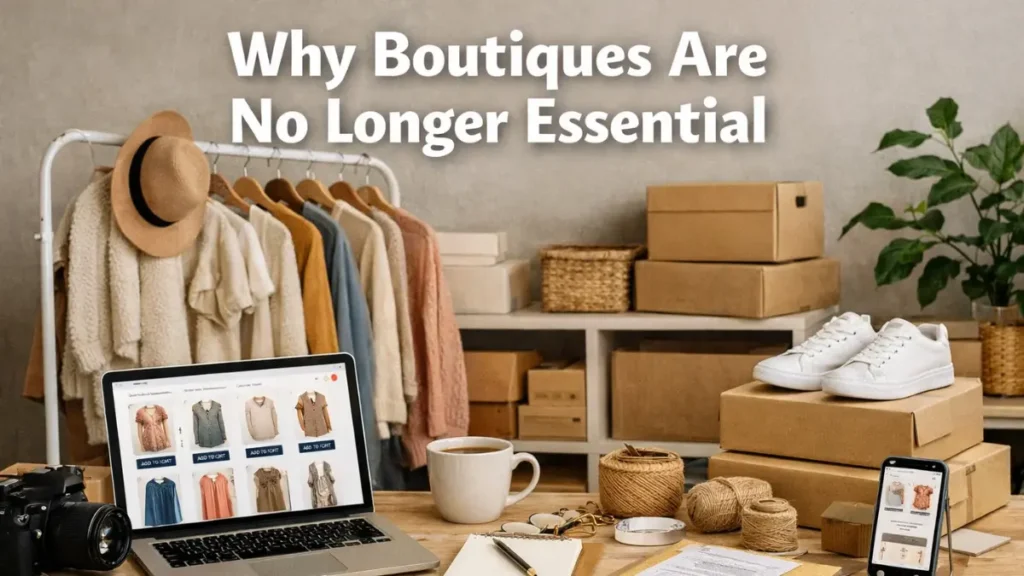
Boutiques were once critical for fashion designers. They provided visibility, direct access to customers, and a controlled environment to showcase collections. However, they also came with significant challenges: high rent, staffing costs, inventory management, and unpredictable footfall. These operational burdens often took designers away from what they do best—creating fashion.
With the rise of digital technology, social media, and e-commerce platforms, the role of physical boutiques has diminished. Customers now discover home-based fashion designers online, follow their creative journey, and place orders directly. The physical storefront is no longer a requirement for credibility or success.
The Rise of Home-Based and Work-from-Home Fashion Designers
Designing From Home, Reaching the World
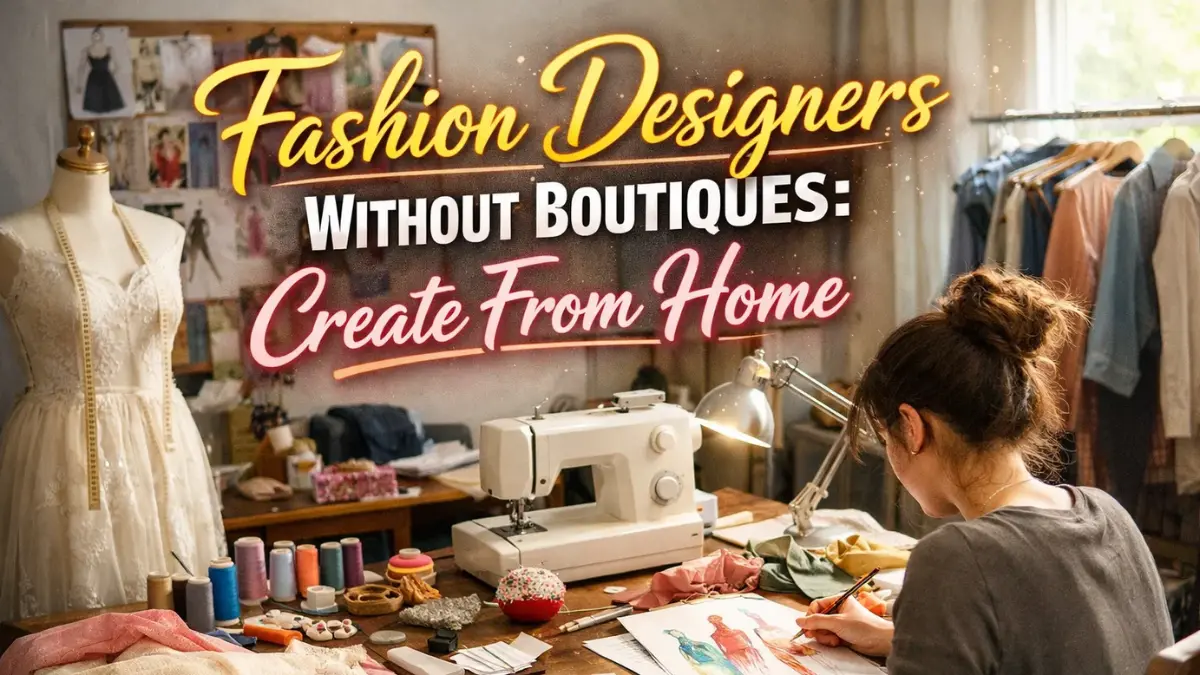
The concept of fashion designers without boutiques has gained momentum as more designers realize they can build thriving careers from home. A spare room can serve as a studio, while digital platforms allow designers to showcase their work globally. Workflows, from design sketches to client consultations, are now handled remotely.
This approach allows fashion designers to focus on creativity and innovation rather than day-to-day store management. Home-based operations also reduce financial risk and overhead, enabling designers to experiment freely and build their unique style.
How Digital Platforms Replace Boutiques
Online Presence Is More Powerful Than Foot Traffic
Boutiques once provided a direct link between designers and customers. Today, social media, online portfolios, and digital marketplaces serve that purpose far more efficiently. Clients no longer walk past a boutique—they discover designers online and engage with them through virtual platforms.
For fashion designers working from home, digital tools make marketing, client communication, and sales seamless. Platforms like Instagram, Pinterest, and e-commerce websites allow designers to build loyal customer bases and generate revenue without the need for physical storefronts.
The Benefits of Boutique-Free Fashion Careers
Personalized Work and Creative Freedom
Without the constraints of a boutique, fashion designers can offer personalized, made-to-order pieces. Direct interaction with clients ensures that each creation aligns with their preferences, fostering loyalty and enhancing the designer’s reputation.
Financially, fashion designers without boutiques enjoy lower operational costs and higher profit margins. Creatively, they have the freedom to experiment with designs, explore niche markets, and develop their brand identity without external pressures.
Technology as the Backbone of Modern Fashion Design
From design software to virtual consultations, technology enables home-based fashion designers to manage their work efficiently. Payment gateways, logistics partners, and online marketplaces allow designers to operate globally while staying local—often from a single room in their home.
The integration of technology ensures that fashion designers without boutiques can provide professional services comparable to boutique-based designers, all while maintaining flexibility and control over their careers.
Client Trust Without Physical Stores

Building Authentic Connections
Customers today value authenticity over location. They want to see the creative process, understand the inspiration behind each piece, and feel a personal connection with the designer. Home-based designers often share behind-the-scenes glimpses, design processes, and client stories, building trust that a boutique alone could never offer.
This shift demonstrates that credibility comes from quality, consistency, and personal branding—not from physical presence.
The Future of Fashion Without Boutiques
The industry is slowly recognizing that boutiques are optional rather than mandatory. Fashion designers without boutiques are not only surviving—they are thriving. By embracing digital tools, personal branding, and remote operations, designers are redefining what it means to succeed in fashion.
The traditional boutique may never fully disappear, but its role is no longer central to a designer’s career. The future of fashion is flexible, creative, and increasingly home-based.
Also Read : Why Fiverr Is the Best Platform for Work From Home Jobs
Conclusion
Fashion designers without boutiques are proof that success does not depend on physical storefronts. Work-from-home models provide freedom, reduce financial risk, and allow designers to focus on what truly matters: creativity and client connection.
The boutique was once the dream.
Now, independence, innovation, and adaptability are the new markers of success in fashion design.
FAQs
1. What does “Fashion Designers Without Boutiques” mean?
It means designers create, sell, and showcase their fashion without owning a physical store.
2. How do Fashion Designers Without Boutiques reach clients?
They connect with clients online through social media, websites, and e-commerce platforms.
3. Can Fashion Designers Without Boutiques earn a good income?
Yes, by selling custom designs and online collections, they can earn well without a boutique.
4. Do Fashion Designers Without Boutiques need special tools?
Digital design tools, online payment systems, and virtual consultations make it easy for them to work from home.
5. Is starting as a Fashion Designer Without Boutiques good for beginners?
Absolutely, it allows new designers to start with low costs and focus on creativity and building clients.

I am a professional content publisher focused on work from home opportunities, remote jobs, online income ideas, productivity tips, and digital work trends. I create practical, reliable, and up-to-date content for modern remote workers.