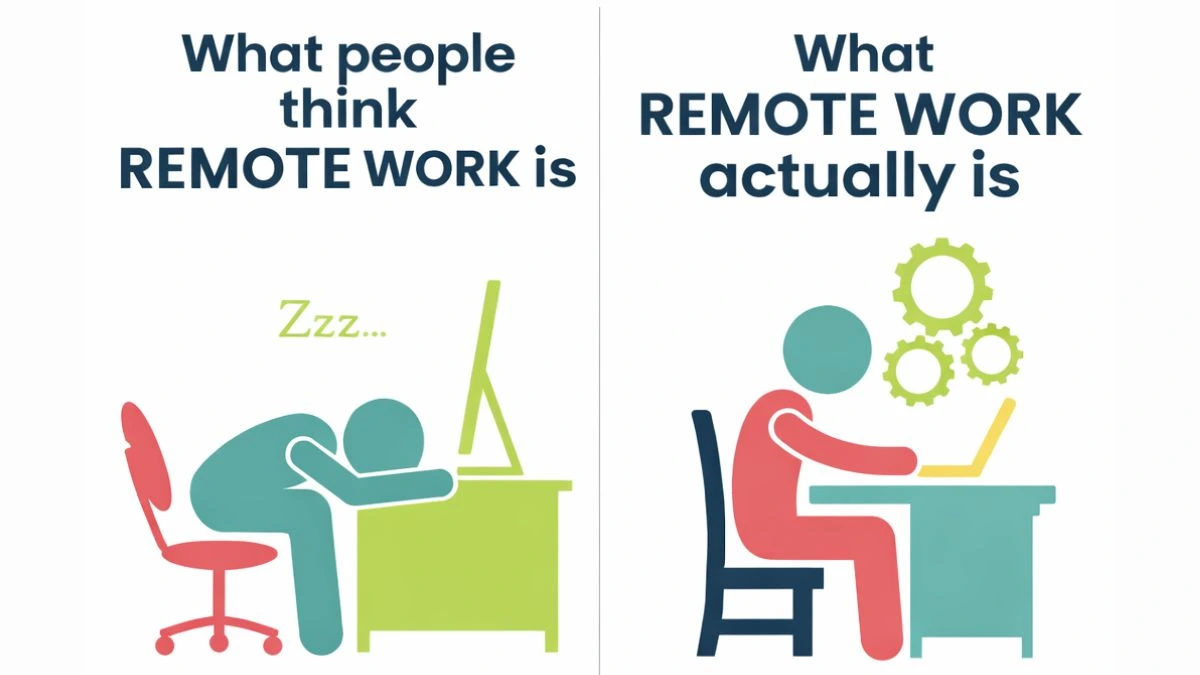
The rise of remote work has fundamentally changed how organizations define productivity. In 2025 and beyond, remote work productivity trends are not just about working from anywhere. They represent a strategic shift in how teams operate, collaborate, and deliver measurable outcomes. The smartest digital workforces are moving away from time-based performance and toward impact-driven productivity models.
This article explores the key remote work productivity trends shaping modern digital workforces, the technologies enabling these changes, ongoing challenges, and how organizations are redefining productivity in a remote-first world.
Why Remote Work Productivity Matters

Productivity has always been central to business success, but remote work has elevated it to a strategic priority. Digital workforces no longer depend on physical offices. Instead, they rely on clarity, collaboration, and technology to stay productive.
Modern productivity focuses on:
- Quality of output
- Achievement of goals
- Employee engagement
- Workflow efficiency
This shift is at the core of today’s remote work productivity trends.
Key Remote Work Productivity Trends in 2025
Outcome-Based Performance Measurement
One of the most important remote work productivity trends is the move from tracking hours to measuring outcomes. Organizations now evaluate employees based on:
- Deliverables completed
- Project milestones
- Business impact
This approach builds trust and encourages ownership.
AI-Powered Productivity Tools
Artificial intelligence is playing a critical role in remote productivity. AI-driven tools help teams:
- Automate repetitive tasks
- Analyze workflows
- Reduce manual effort
- Improve focus on high-value work
AI enables smarter, not longer, workdays.
Asynchronous Collaboration
With distributed teams across multiple time zones, asynchronous collaboration has become essential. Companies are reducing reliance on live meetings and encouraging:
- Written updates
- Shared dashboards
- Recorded communications
This allows employees to work during their most productive hours.
Hybrid and Flexible Work Models
The most productive digital workforces follow flexible hybrid models. Employees are given autonomy to choose when and where they work best. This flexibility leads to:
- Higher job satisfaction
- Reduced burnout
- Improved productivity
Productivity Analytics and Data-Driven Decisions
Organizations are using analytics to understand how work flows across teams. Productivity data helps leaders:
- Identify inefficiencies
- Optimize workloads
- Improve team performance
Data-driven insights replace assumptions with clarity.
Employee Well-Being as a Productivity Driver
Remote work productivity is closely linked to employee well-being. Companies are investing in:
- Flexible schedules
- Mental health support
- Clear work-life boundaries
Healthy employees consistently deliver better results.
Technology Enabling Smarter Digital Workforces
Cloud-Based Collaboration
Cloud platforms support communication, document sharing, and project tracking across distributed teams.
Integrated Work Management Tools
Unified platforms reduce tool overload and simplify daily workflows.
Secure Remote Access
Strong cybersecurity ensures productivity without compromising data protection.
Industry Examples of Remote Productivity
Technology Teams
Software teams use automation, asynchronous updates, and sprint analytics to deliver faster results.
Marketing Teams
Content planning tools, AI assistance, and performance dashboards help marketing teams scale output efficiently.
Customer Support Teams
AI-powered ticket routing and analytics improve response time and service quality.
Challenges in Remote Work Productivity

Despite progress, challenges remain:
- Communication gaps
- Distractions in home environments
- Tool overload
- Blurred work-life boundaries
Organizations that succeed address these challenges through clear policies and intentional management.
Best Practices for Building a Productive Remote Workforce
Set Clear Expectations
Define goals, responsibilities, and timelines clearly.
Invest in Training
Help employees use tools and workflows effectively.
Measure Results, Not Activity
Focus on outcomes instead of monitoring time.
Encourage Balance
Promote sustainable work habits to prevent burnout.
Future Outlook for Remote Work Productivity
Experts predict that remote productivity will continue to evolve with:
- More personalized AI assistance
- Smarter workflow optimization
- Greater focus on autonomy and trust
Remote productivity will become more human-centered and data-driven.
Also Read : Work From Home Internships With Stipend That Build Your Resume Fast
Conclusion
Remote work productivity trends are shaping the smartest digital workforces by prioritizing outcomes, flexibility, and well-being. Organizations that embrace these trends are building resilient, high-performing teams capable of thriving in a digital-first future. Productivity is no longer about presence. It is about impact.

I am a professional content publisher focused on work from home opportunities, remote jobs, online income ideas, productivity tips, and digital work trends. I create practical, reliable, and up-to-date content for modern remote workers.