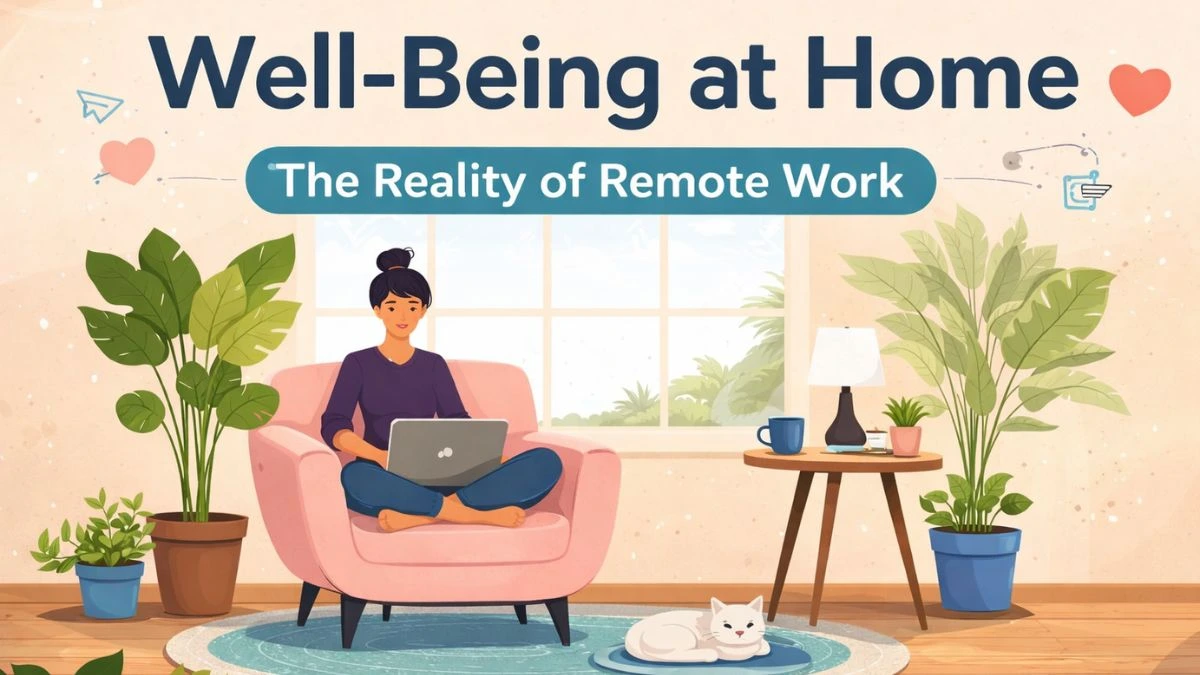
The rise of work-from-home (WFH) has transformed how people work, communicate, and balance their professional and personal lives. While remote work offers flexibility and convenience, it also introduces new challenges that directly affect employee well-being. In recent years, researchers have increasingly focused on understanding how WFH impacts the mental, physical, and social health of remote workers.
This article explores the well-being of remote workers through insights drawn from bibliometric research trends. It highlights key themes, challenges, benefits, and practical strategies to improve employee well-being in work-from-home settings.
Understanding Well-Being in Work-From-Home Settings
Employee well-being refers to a person’s overall mental, physical, emotional, and social health at work. In traditional office environments, well-being was influenced by factors such as office culture, workload, leadership, and peer interaction. However, WFH settings have changed these dynamics completely.
Remote workers often operate in isolation, manage flexible schedules, and rely heavily on digital tools. While this autonomy can improve job satisfaction, it can also blur boundaries between work and personal life.
Why Well-Being of Remote Workers Matters
Well-being is no longer a “nice-to-have” concept—it directly affects:
- Employee productivity
- Job satisfaction
- Retention rates
- Mental health outcomes
- Organizational performance
Research consistently shows that employees with higher well-being are more engaged, motivated, and loyal to their organizations.
Key Research Themes in Remote Worker Well-Being
Bibliometric analysis of work-from-home literature reveals five major research themes shaping the field.
1. Integration of Well-Being into WFH Practices
Modern organizations are increasingly embedding well-being into their remote work policies. This includes:
- Flexible working hours
- Mental health days
- Workload management
- Digital wellness initiatives
Companies that integrate well-being into their WFH culture see better employee morale and reduced burnout.
2. Health-Related Challenges of Remote Work
WFH has introduced several health concerns, such as:
- Poor posture and musculoskeletal problems
- Eye strain due to prolonged screen time
- Reduced physical activity
- Sleep disturbances
Mental health challenges like anxiety, stress, and loneliness are also common among remote workers.
3. Gender Differences in WFH Well-Being
Research highlights that gender plays a significant role in how remote work affects well-being. Women, in particular, often experience:
- Higher work-family conflict
- Increased caregiving responsibilities
- Greater emotional exhaustion
Men, on the other hand, may face social isolation and reduced emotional support. Understanding these differences is crucial for inclusive well-being policies.
4. Role of Social Support and Networking
One of the biggest challenges of WFH is reduced social interaction. Strong social support systems help remote workers feel connected and valued.
Effective strategies include:
- Virtual team meetings
- Online collaboration platforms
- Peer support groups
- Informal virtual coffee chats
Social connection plays a vital role in reducing stress and improving mental health.
5. Need for Comprehensive Employee Support Programs
Organizations are now focusing on holistic support programs that address:
- Mental health counseling
- Ergonomic support
- Career development
- Work-life balance
Comprehensive well-being initiatives help employees thrive in long-term remote work arrangements.
Benefits of Work-From-Home for Well-Being
Despite its challenges, WFH offers several well-being benefits:
- Reduced commuting stress
- More family time
- Flexible schedules
- Better control over work environment
When managed effectively, remote work can significantly improve overall life satisfaction.
Challenges That Still Need Attention
Some ongoing challenges include:
- Burnout due to overwork
- Lack of clear work boundaries
- Digital fatigue
- Feeling “always available”
These issues highlight the need for continuous research and updated organizational strategies.
Future Research Directions
Future studies should:
- Include qualitative research methods
- Explore long-term effects of remote work
- Analyze cultural and regional differences
- Examine emerging technologies and AI tools
Well-being research must evolve alongside changing work practices.
How Organizations Can Improve Remote Worker Well-Bein
Practical steps include:
- Encouraging regular breaks
- Setting clear work hours
- Promoting mental health awareness
- Providing ergonomic resources
- Fostering inclusive communication
Small changes can make a big difference in employee well-being.
Also Read Sarkari Job Online 2026: Complete Guide to Apply, Eligibility & Dates
Conclusion
The well-being of remote workers in work-from-home settings is a complex and evolving topic. Research shows that while WFH offers flexibility and autonomy, it also presents health, social, and psychological challenges. Organizations that prioritize employee well-being through structured support, inclusive policies, and continuous research will be better equipped for the future of work.
As remote work becomes a permanent feature of modern employment, investing in well-being is no longer optional—it is essential.
FAQs: Well-Being of Remote Workers
Q1. What is employee well-being in work-from-home jobs?
Employee well-being in WFH refers to mental, physical, emotional, and social health while working remotely.
Q2. Does work-from-home improve mental health?
WFH can improve mental health by reducing commute stress, but poor boundaries may increase burnout if not managed properly.
Q3. What are common health problems faced by remote workers?
Common issues include back pain, eye strain, stress, anxiety, and social isolation.
Q4. How can companies support remote worker well-being?
By offering flexible schedules, mental health resources, ergonomic support, and strong communication practices.
Q5. Is remote work sustainable in the long term?
Yes, if organizations prioritize employee well-being and adapt policies to changing work dynamics.